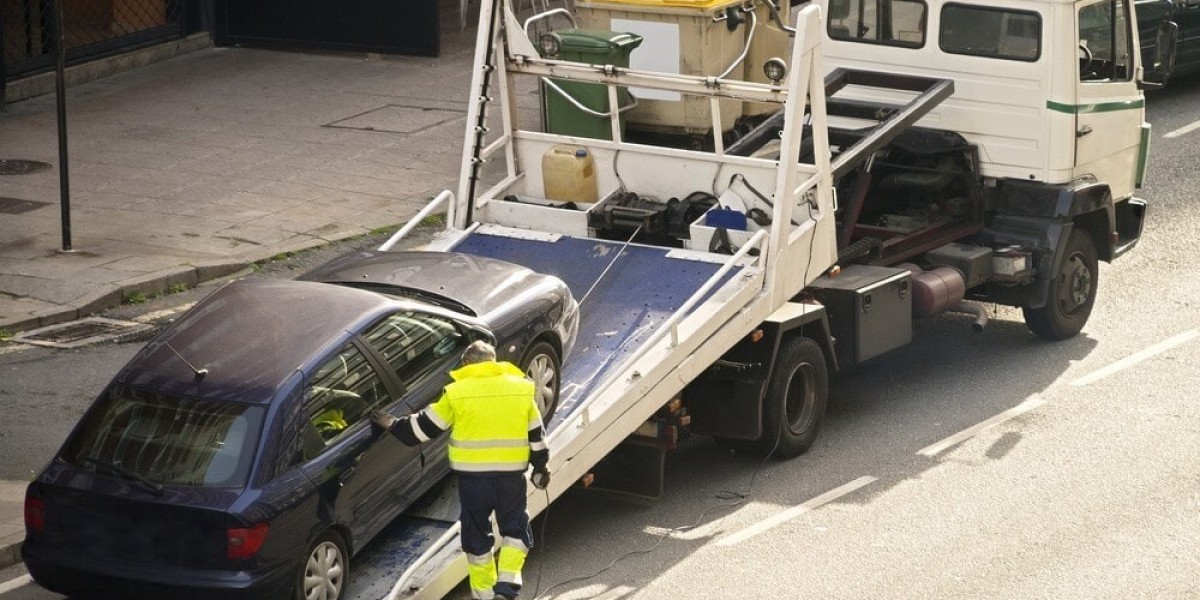

When you look at that old car sitting in your driveway or taking up space in your garage, it is easy to see it as just a bit of an eyesore. Maybe it has a blown engine, or perhaps the cost of a rego and repairs just does not make sense anymore. You finally decide to call a car removal service in Sydney, the tow truck arrives, you hand over the keys, and you get paid. But have you ever wondered what happens next?
The journey from your curb to the final recycling stage is quite a detailed process. In Sydney, there are strict rules to ensure that every vehicle is handled in a way that is safe for the environment and helpful for the local economy. Understanding this process can give you peace of mind that your old car is being used for something good rather than just rotting away.
Arrival at the Salvage Yard
The very first stop for your vehicle is a professional salvage or wrecking yard. Sydney has many of these facilities that are specifically set up to handle end of life vehicles. As soon as the car is unloaded from the tow truck, the team at the yard logs it into their system. This is an important step for tracking and for legal reasons. They need to ensure that the car is accounted for and that all the paperwork you provided matches the vehicle.
Once the car is checked in, the experts perform a quick inspection. They are looking to see what kind of shape the car is really in. Even if it does not run, many of its parts might still be in perfect working order. This initial look helps the wreckers decide if the car should be stripped for parts first or if it is ready to go straight through the recycling line.
The Depollution Process for Safety
Before any heavy machinery touches the car, a very important stage called depollution takes place. Cars are full of liquids and materials that can be quite nasty if they leak into the Sydney soil or waterways. Professionals take great care to drain every single drop of fluid from the vehicle. This includes the engine oil, transmission fluid, brake fluid, and coolant.
Even the petrol or diesel left in the tank is carefully removed. These fluids are not just poured away; they are collected in sealed containers. Some of the oils can be cleaned and reused, while others are disposed of through specialised waste management services that follow New South Wales environmental laws. By doing this, the wreckers make sure that the car is "clean" before it moves on to the next stage.
Salvaging Parts for a Second Life
One of the best things about car removal in Sydney is that it supports a huge second hand parts market. After the fluids are gone, the wreckers start looking for anything that can be saved. If your car has a working alternator, a clean radiator, or even a set of doors that are not dented, those parts are carefully removed.
These parts are then cleaned, tested, and put up for sale. This is a win for everyone. It helps other Sydney drivers find affordable parts to keep their own cars on the road, and it reduces the need for factories to manufacture brand new parts from scratch. Things like batteries and tyres are also checked. If a battery still holds a charge, it might be resold. If the tyres have good tread, they can find a home on another vehicle. If not, they are sent to dedicated recycling centres to be turned into things like playground surfaces or road materials.
Visit Our Website: https://primocarremoval.com.au/
Stripping Away the Extras
Once the main mechanical parts are removed, the team looks at the smaller bits and pieces. This includes the catalytic converter, which is very valuable because it contains precious metals like platinum and palladium. They also pull out electronic wiring harnesses. These wires are full of copper, which is a highly sought after metal for recycling.
Airbags are also handled with a lot of care during this stage. Since they contain small explosive charges to help them deploy in a crash, they have to be safely discharged or removed by experts to prevent any accidents later in the process. By the time this stage is finished, the car looks more like a skeleton than a vehicle, but nearly everything of value has been saved.
Crushing and Shredding the Shell
Now that the car is just a metal shell, it is ready for the heavy duty equipment. This is the part most people imagine when they think of a scrap yard. The car is placed into a large industrial crusher that flattens it into a compact block. This makes it much easier and cheaper to transport the metal to a larger shredding facility.
At the shredding plant, these metal blocks are fed into a massive machine that can tear a car shell into small, fist sized pieces in seconds. This mixture of shredded material contains steel, aluminium, and some leftover plastics or glass. The facility uses giant magnets to pull all the steel and iron away from the other materials. Then, they use different techniques, like air blowers or liquid baths, to separate the aluminium and copper.
The Final Transformation into New Products
The metal that came from your car is now ready for its final transformation. The sorted metals are sent to furnaces where they are melted down at incredibly high temperatures. This molten metal is then poured into moulds to create ingots or blocks of raw material.
This recycled steel and aluminium is just as strong as metal made from raw ore. It can be used to build new cars, construction beams for Sydney high rises, or even everyday items like drink cans and appliances. Using recycled metal takes much less energy than mining new iron ore, which means your old car is actually helping to save a lot of electricity and reduce carbon emissions.
Handling the Paperwork and Registration
While all this physical work is happening at the yard, there is some administrative work that needs to finish up as well. After the car is picked up, it is your responsibility to make sure the Transport for NSW is notified. Most reputable car removal services in Sydney will help you with the Notice of Disposal. This is a key document that tells the government you are no longer the owner of the vehicle.
If you don't do this, you might find yourself getting fines or toll notices for a car you no longer own. You should also return your number plates to a Service NSW centre. In some cases, if there is still time left on your rego, you might even be able to get a partial refund for the remaining months. Finishing this paperwork is the final step in making sure the car is legally out of your name.
Why the Process is Great for Sydney
The whole car removal process is a perfect example of a circular economy. Instead of letting a vehicle sit and rust, the Sydney car removal industry turns it into something useful. It creates jobs for tow truck drivers, mechanics, and recycling plant workers. It also helps keep the city clean by removing abandoned or "junk" cars from the streets and suburban backyards.
By choosing a professional service, you are choosing a path that protects the beautiful Sydney environment. The strict handling of hazardous waste means our soil and water stay cleaner. Plus, the high rate of recycling in Australia ensures that very little of your car actually ends up in a landfill. It is a smart, efficient, and responsible way to say goodbye to an old friend.
Would you like me to help you draft a checklist of the documents you need to have ready for a car removal service in Sydney?