In the realm of water storage solutions, FRP panel water storage tanks stand out as a reliable and innovative option for both residential and commercial needs. As a leading manufacturer in Asia, Shandong Wanneng Group has been at the forefront of producing high-quality water tanks that cater to diverse requirements across the continent. This article delves into the intricacies of FRP panel water storage tanks, exploring their construction, benefits, applications, and maintenance. By incorporating insights into related technologies like SMC panel water storage tanks, GSC water tanks, and BDF water storage tanks, we aim to provide a thorough, informational resource to help you make informed decisions about your water storage needs.
FRP, or Fiberglass Reinforced Plastic, forms the core material of these tanks, offering a blend of durability and flexibility that traditional materials often lack. Whether you’re managing water supply in a bustling urban area or a remote industrial site, understanding these tanks can enhance efficiency and longevity in your systems. Shandong Wanneng Group specializes in crafting these solutions, ensuring they meet international standards while addressing regional challenges such as varying climates and water quality issues in Asia.
The Basics of FRP Panel Water Storage Tanks
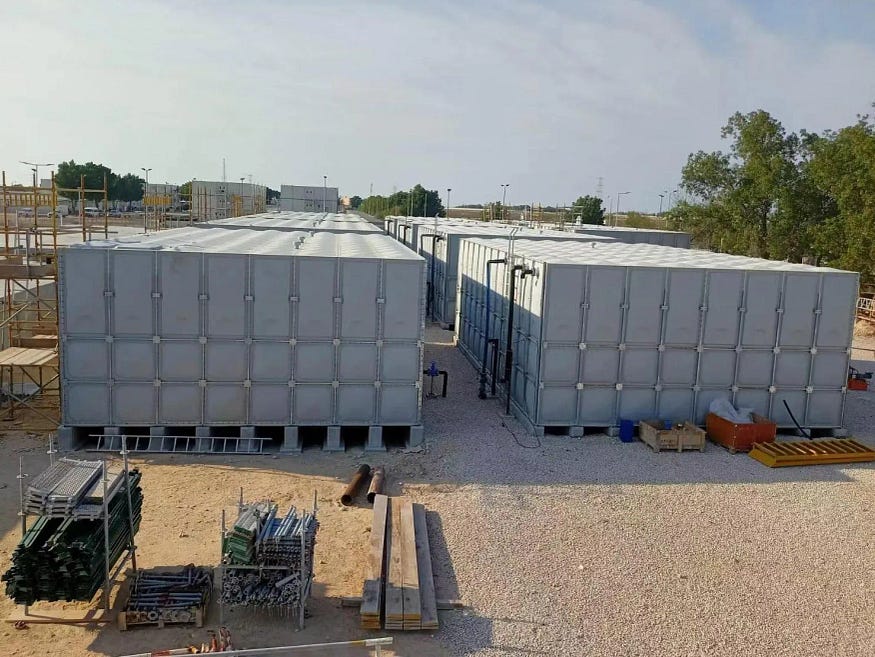
At its essence, an FRP panel water storage tank is a modular system constructed from panels made of fiberglass reinforced with plastic resins. These panels are assembled on-site, allowing for customization in size and shape to fit specific spatial constraints. The manufacturing process involves layering fiberglass mats with thermosetting resins, which are then cured to create robust, lightweight panels resistant to corrosion and environmental degradation.
One of the key advantages of FRP panels is their non-corrosive nature. Unlike metal tanks that can rust over time, FRP maintains structural integrity even when exposed to harsh chemicals or saline water. This makes them particularly suitable for coastal regions in Asia, where saltwater intrusion is a common concern. Shandong Wanneng Group employs advanced molding techniques to ensure each panel is seamless and leak-proof, contributing to the overall reliability of the tank.
In comparison, SMC panel water storage tanks utilize Sheet Molding Compound, a similar composite material that offers enhanced strength through compression molding. SMC panels are pre-fabricated and known for their high impact resistance, making them ideal for areas prone to seismic activity. GSC water tanks, often referring to Glassfiber Sectional Composite tanks, share similarities with FRP but emphasize sectional assembly for easier transportation. Meanwhile, BDF water storage tanks, which stand for Buried Direct Feed or similar configurations, are designed for underground installations, providing discreet storage solutions. Shandong Wanneng Group integrates elements from these variants to offer versatile products that can be adapted to customer specifications.
The assembly process of an FRP tank typically involves bolting panels together with stainless steel fasteners, sealed with food-grade silicone or rubber gaskets to prevent leaks. This modular design not only simplifies installation but also allows for future expansions or relocations, a feature that’s invaluable in growing Asian markets where infrastructure evolves rapidly.
Materials and Manufacturing Excellence
The quality of an FRP panel water storage tank hinges on the materials used. Fiberglass provides tensile strength, while the plastic resin — often polyester or epoxy — offers chemical resistance. Shandong Wanneng Group sources premium raw materials to ensure compliance with standards like ISO 9001 and WRAS (Water Regulations Advisory Scheme), guaranteeing that the tanks are safe for potable water storage.
SMC panel water storage tanks take this a step further by incorporating fillers and reinforcements in the molding compound, resulting in panels that are fire-retardant and UV-resistant. This is crucial in tropical Asian climates where intense sunlight can degrade lesser materials. GSC water tanks, with their glassfiber composition, excel in thermal insulation, helping maintain water temperature and reducing energy costs for heating or cooling systems.
BDF water storage tanks, on the other hand, are engineered for below-ground use, featuring reinforced structures to withstand soil pressure. These tanks often include anti-buoyancy measures to prevent floating in high water table areas, a common issue in flood-prone regions like Southeast Asia. By understanding these material nuances, users can select the most appropriate tank type for their environment.
Manufacturing at Shandong Wanneng Group involves rigorous quality control, from resin mixing to panel curing. Each batch undergoes testing for tensile strength, impact resistance, and water tightness. This commitment to excellence ensures that FRP tanks not only store water effectively but also contribute to sustainable water management practices.
Advantages Over Traditional Water Storage Solutions
When evaluating water storage options, FRP panel tanks offer several compelling advantages. Firstly, their lightweight construction reduces transportation costs and eases installation, especially in remote Asian locations where heavy machinery might be unavailable. A standard FRP tank weighs significantly less than concrete or steel equivalents, yet it can hold thousands of liters without compromising stability.
Durability is another hallmark. FRP resists cracking, warping, and biological growth, extending the lifespan to over 30 years with proper maintenance. In contrast, traditional concrete tanks may develop leaks due to seismic shifts or temperature fluctuations, common in earthquake-prone areas like Japan or Indonesia.
SMC panel water storage tanks amplify these benefits with superior hygiene features. The smooth interior surfaces prevent algae and bacterial buildup, ensuring water remains clean. GSC water tanks provide excellent insulation, minimizing condensation and energy loss, which is beneficial for industrial applications requiring consistent water temperatures.
BDF water storage tanks shine in space-constrained urban settings, allowing for underground storage that frees up surface area. This is particularly relevant in densely populated cities across Asia, where land is at a premium. Overall, these modern tanks promote water conservation by minimizing evaporation and contamination risks.
From a cost perspective, while initial investment might be higher than basic plastic tanks, the long-term savings in maintenance and replacements make FRP a wise choice. Shandong Wanneng Group offers competitive pricing, backed by warranties that underscore their confidence in product longevity.
Applications Across Asian Markets
The versatility of FRP panel water storage tanks makes them indispensable in various sectors throughout Asia. In residential settings, they provide reliable potable water storage for households, especially in regions with intermittent municipal supplies like parts of India and the Philippines. Their modular nature allows for rooftop or ground-level installations, adapting to urban apartments or rural homes.
Commercially, hotels and restaurants benefit from the hygienic properties, ensuring safe water for cooking and sanitation. Industrial applications include factories and manufacturing plants, where large-capacity tanks store process water or firefighting reserves. Shandong Wanneng Group has supplied tanks for agricultural irrigation in China and Vietnam, helping farmers manage water resources during dry seasons.
Get Shandongwannenggroup’s stories in your inbox
Join Medium for free to get updates from this writer.
SMC panel water storage tanks are favored in high-rise buildings for their strength and ease of assembly in confined spaces. GSC water tanks find use in hospitals and schools, where maintaining water purity is paramount. BDF water storage tanks are ideal for municipal projects, such as rainwater harvesting systems in Singapore or Malaysia, promoting eco-friendly urban planning.
In disaster-prone areas, these tanks serve as emergency reservoirs, providing quick access to clean water post-earthquakes or floods. Their rapid deployment capability has proven vital in relief efforts across the region.
Installation Guidelines for Optimal Performance
Proper installation is key to maximizing the benefits of an FRP panel water storage tank. Site preparation begins with a level foundation, often a concrete base to distribute weight evenly. Shandong Wanneng Group provides detailed blueprints and on-site support to ensure compliance.
Assembly involves aligning panels and securing them with bolts, followed by applying sealants. For larger tanks, internal supports may be added for structural reinforcement. Plumbing connections should use compatible materials to avoid corrosion at joints.
For SMC panel water storage tanks, special attention to alignment prevents stress points. GSC water tanks require insulation checks during setup, while BDF water storage tanks demand excavation and backfilling expertise to ensure stability underground.
Post-installation, a pressure test confirms watertightness. Users should adhere to local regulations, such as those in Thailand or South Korea, regarding water storage safety.
Maintenance and Longevity Tips
Maintaining an FRP tank is straightforward, contributing to its appeal. Regular inspections every six months check for external damage or leaks. Cleaning involves draining the tank and using mild detergents to remove sediment, avoiding abrasive tools that could scratch surfaces.
For SMC panel water storage tanks, UV protectants can extend exterior life in sunny climates. GSC water tanks benefit from periodic insulation assessments, and BDF water storage tanks require monitoring for groundwater intrusion.
Shandong Wanneng Group recommends annual professional servicing, including water quality tests to detect contaminants early. By following these practices, tanks can achieve their full lifespan, reducing environmental impact through less frequent replacements.
Common issues like minor leaks can be addressed with patch kits, while major repairs might involve panel replacements, feasible due to the modular design.
Environmental and Sustainability Considerations
In an era of environmental awareness, FRP panel water storage tanks align with sustainable practices. Their production uses recyclable materials, and the tanks themselves promote water conservation by minimizing losses. Shandong Wanneng Group incorporates eco-friendly resins to reduce volatile organic compound emissions during manufacturing.
SMC panel water storage tanks contribute by being energy-efficient in production, while GSC water tanks aid in thermal regulation, lowering carbon footprints. BDF water storage tanks support groundwater recharge initiatives when integrated with permeable systems.
Across Asia, adopting these tanks helps combat water scarcity, a pressing issue in countries like Pakistan and Bangladesh. By storing rainwater or recycled water, they reduce reliance on overtaxed natural sources.
Choosing the Right Tank for Your Needs
Selecting an FRP panel water storage tank involves assessing capacity, location, and budget. Shandong Wanneng Group offers consultations to match products with specific requirements, whether it’s a compact residential unit or a massive industrial reservoir.
Consider factors like water usage patterns and local climate. For instance, in humid areas, opt for tanks with anti-fungal coatings. Integrating SMC, GSC, or BDF features can customize solutions further.
Ultimately, investing in quality ensures peace of mind and operational efficiency.
Conclusion: Embracing Modern Water Storage Solutions
FRP panel water storage tanks represent a forward-thinking approach to water management, blending innovation with practicality. With variants like SMC panel water storage tanks, GSC water tanks, and BDF water storage tanks, options abound for tailored applications in Asia’s diverse landscapes. Shandong Wanneng Group continues to lead by delivering products that prioritize safety, durability, and sustainability.
By understanding these technologies, users can enhance their water infrastructure, contributing to healthier communities and efficient resource use. Whether for home, business, or industry, these tanks offer a dependable foundation for the future.