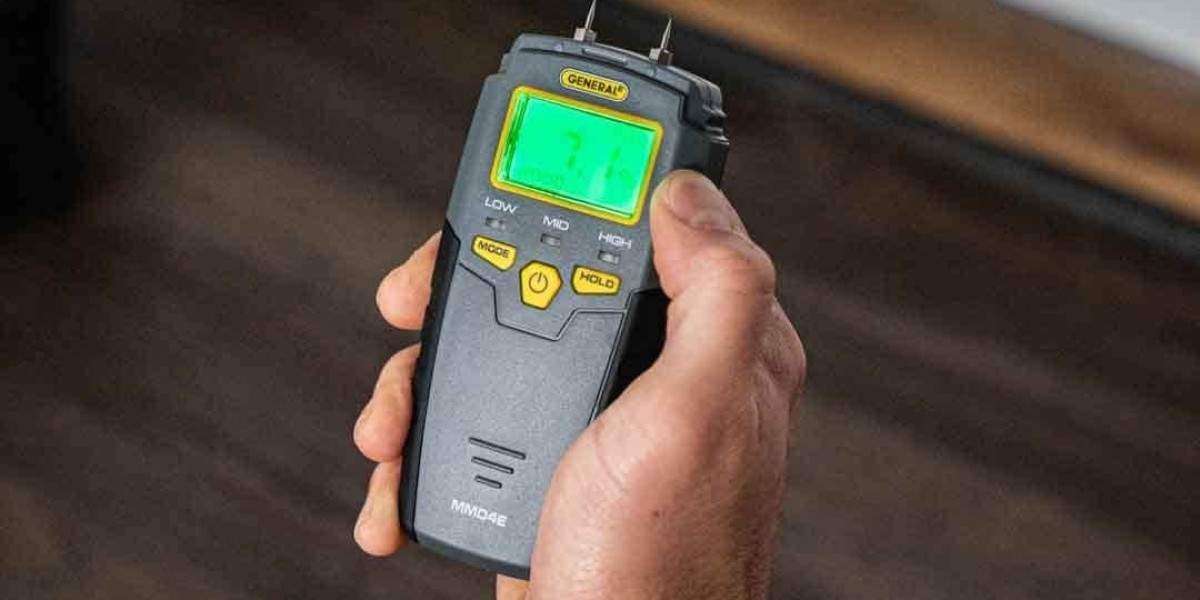

Moisture plays a critical role in determining the quality, strength, and durability of many materials. From construction and agriculture to woodworking and industrial inspection, accurate moisture measurement is essential for preventing damage, improving performance, and ensuring long-term reliability. This is where a moisture meter becomes an invaluable tool. In this article, we explore what a moisture meter is, how it works, its major applications, and why professionals rely on it for precise moisture detection.
What Is a Moisture Meter?
A moisture meter is an electronic device designed to measure the amount of moisture present in different materials such as wood, concrete, soil, drywall, and building components. It helps users determine whether a material is too wet, too dry, or within an acceptable moisture range. These measurements are crucial for preventing issues like mould growth, structural weakening, poor crop health, and product deterioration.
Modern devices offer digital displays, high sensitivity, and multiple modes to suit various applications, making moisture testing easier and more accurate.
How Does a Moisture Meter Work?
Most moisture meters use either pin-type or pinless technology:
Pin-Type Moisture Meters
These models use two small metal pins that penetrate the material. An electrical current passes between the pins, and resistance is measured. Wet materials conduct electricity more easily, allowing the device to calculate moisture content accurately.
Pinless Moisture Meters
These devices use a flat sensor plate that rests on the surface of the material. They rely on electromagnetic waves to detect moisture without causing surface damage. Pinless models are ideal for finished products, large surfaces, and delicate materials.
Both types deliver fast readings, allowing professionals to make quick decisions on-site.
Industries That Rely on Moisture Meters
Because moisture affects performance and stability, several industries depend on accurate testing:
Construction and Building Inspections
In the construction industry, moisture can weaken concrete, damage drywall, and lead to mould formation. Inspectors use a moisture meter to evaluate building materials before installation and during maintenance checks. This helps prevent structural issues and ensures compliance with safety standards.
Woodworking and Carpentry
Wood absorbs and releases moisture in response to its surrounding conditions. Excessive moisture can cause warping, cracking, or shrinking. A moisture meter allows woodworkers to ensure lumber is properly seasoned before use, improving the quality and lifespan of finished products.
Agriculture and Soil Testing
Healthy crops require moisture levels within a specific range. Farmers and horticulturists use moisture meters to test soil hydration, ensuring optimal conditions for plant growth and efficient irrigation management.
Flooring Installation
Flooring professionals must confirm that subfloors—especially concrete—are dry enough before laying materials like hardwood, laminate, or vinyl. A moisture meter helps prevent costly installation failures.
Industrial Production and Quality Control
Many industries, such as paper, textiles, and packaging, require consistent moisture levels in raw materials. Deviations can affect product quality, machine performance, and safety. A moisture meter helps monitor these variations accurately.
Benefits of Using a Moisture Meter
Using a moisture meter offers numerous advantages across different applications:
Quick and accurate moisture readings
Reduced risk of material damage
Improved product quality and durability
Enhanced safety in buildings and work environments
Better decision-making for repairs and installations
Cost savings by preventing long-term issues such as mould or rot
These benefits make the device essential for professionals and DIY users who want reliable measurements.
Types of Moisture Meters to Consider
Wood Moisture Meters
Designed for measuring moisture content in timber and wooden products.
Concrete Moisture Meters
Used for subfloor testing and construction projects.
Soil Moisture Meters
Ideal for gardening, landscaping, and agricultural applications.
Universal Moisture Meters
These multi-purpose devices can evaluate various building materials, making them useful for inspectors and renovation experts.
Each type offers unique features depending on the material being tested and the accuracy required.
Key Features to Look For
When choosing a moisture meter, important features include:
Measurement range and accuracy
Digital display for easy reading
Depth of penetration
Material selection modes
Durability and build quality
Calibration capability
These features determine how well the device performs in real-world conditions.
Why Moisture Measurement Matters
Unchecked moisture can cause hidden damage that becomes costly over time. Structural decay, weakened materials, pest infestations, and health hazards like mould all stem from poor moisture control. A reliable moisture meter helps users detect problems early, allowing corrective action before serious damage occurs.
For industries focused on quality, safety, and compliance, moisture testing is not optional—it is an essential part of daily operations.
Conclusion
A moisture meter is a vital tool for anyone working in construction, woodworking, agriculture, flooring, or industrial production. Its ability to deliver fast and accurate moisture readings helps protect materials, ensure safety, and improve quality. With a variety of models available—pin-type, pinless, soil-specific, or industrial-grade—users can find a device perfectly suited to their needs. Whether you're a professional inspector or a home improvement enthusiast, investing in a reliable moisture meter is key to making informed decisions and preventing costly moisture-related issues.