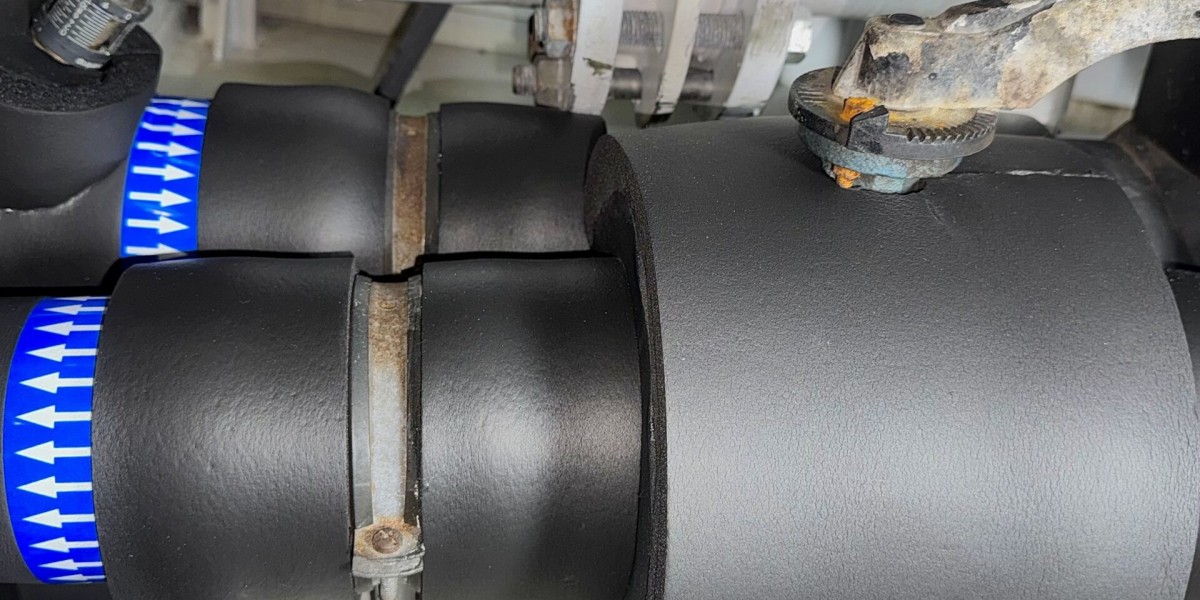

Marine vessels operate in acoustically complex environments where vibration, propulsion, and auxiliary machinery generate persistent sound energy. Effective sound attenuation is no longer a luxury; it is a functional requirement for compliance, comfort, and operational efficiency. Marine Noise Insulation plays a decisive role in mitigating unwanted acoustic transmission across hull structures and internal compartments. Whether for commercial shipping or leisure craft, owners frequently researching Boat maintenance near me are increasingly prioritizing advanced acoustic solutions to enhance onboard conditions and extend equipment longevity.
Understanding Acoustic Challenges in Marine Environments
Structural-Borne and Airborne Noise
Marine noise originates from two principal pathways. Structural-borne noise propagates through rigid components such as bulkheads, decks, and engine mounts. Airborne noise travels through enclosed spaces, ducts, and voids. Both pathways require distinct insulation strategies, as ineffective treatment can result in resonance amplification rather than suppression.
Environmental and Operational Variables
Salt exposure, humidity saturation, thermal cycling, and mechanical stress differentiate marine acoustics from terrestrial soundproofing. Insulation materials must preserve acoustic integrity while resisting corrosion, biological growth, and compression fatigue over prolonged service cycles.
Classification of Marine Noise Insulation Materials
Mass-Loaded Acoustic Barriers
Composition and Functionality
Mass-loaded barriers rely on density rather than thickness. Typically fabricated from elastomeric compounds infused with mineral fillers, these barriers obstruct sound wave transmission by increasing impedance mismatch. Their pliability allows conformity to curved hull surfaces and confined engine enclosures.
Performance Characteristics
High surface density enables superior low-frequency attenuation, particularly for diesel propulsion systems. However, improper installation can lead to flanking paths that diminish overall effectiveness.
Porous Absorptive Materials
Open-Cell Acoustic Foams
Open-cell foams dissipate acoustic energy through viscous friction within interconnected pores. In marine settings, these foams are often treated with hydrophobic coatings to prevent moisture entrapment.
Fiber-Based Absorbers
Mineral wool and synthetic fiber mats offer broadband absorption, particularly effective for mid- to high-frequency noise. Encapsulation is mandatory to prevent fiber migration and moisture degradation.
Composite Insulation Systems
Multi-Layer Assemblies
Composite systems integrate barriers, absorbers, and decoupling layers into unified panels. These assemblies optimize performance across diverse frequency spectrums while simplifying installation logistics.
Damping Laminates
Viscoelastic damping layers convert vibrational energy into negligible thermal output. When bonded to vibrating panels, they significantly reduce resonance amplification.
Performance Metrics and Evaluation Criteria
Sound Transmission Loss (STL)
STL quantifies a material’s capacity to impede sound passage. Marine-grade insulation materials are evaluated across octave bands to ensure consistent attenuation under operational conditions.
Noise Reduction Coefficient (NRC)
NRC measures absorptive efficiency rather than blocking capability. High NRC values are advantageous in crew quarters and passenger lounges where reverberation control is paramount.
Durability and Compliance
Materials must conform to maritime safety standards, including fire retardancy, low smoke emission, and toxicity thresholds. Longevity under cyclic vibration is equally critical.
Practical Applications Across Marine Segments
Engine Rooms and Machinery Spaces
Engine compartments represent the most acoustically aggressive zones onboard. Here, Marine Noise Insulation systems typically combine mass-loaded barriers with absorptive liners to address both airborne and structural-borne emissions.
Accommodation and Control Areas
Crew cabins, navigation bridges, and recreational zones require refined acoustic environments. Lightweight absorptive panels and composite linings are favored to balance comfort with spatial efficiency.
Exhaust and Ventilation Pathways
Duct-borne noise often bypasses primary insulation barriers. Specialized silencers and lined ventilation channels mitigate this indirect transmission route without compromising airflow.
Retrofit and Maintenance Scenarios
Vessel refits frequently coincide with searches for Boat maintenance near me, as owners seek localized expertise. Modular insulation panels and adhesive-backed materials facilitate upgrades without extensive structural modifications.
Installation Considerations and Best Practices
Surface Preparation and Sealing
Acoustic performance is contingent on meticulous surface preparation. Gaps, seams, and penetrations must be sealed to prevent acoustic leakage.
Weight and Stability Implications
While effective noise control often necessitates added mass, naval architects must evaluate stability impacts, particularly in smaller vessels.
Inspection and Lifecycle Management
Periodic inspection ensures insulation integrity remains uncompromised by moisture ingress or mechanical abrasion. Predictive maintenance planning reduces long-term remediation costs.
Future Developments in Marine Acoustic Materials
Advancements in polymer science and nanocomposites are yielding lighter, thinner insulation solutions with enhanced attenuation profiles. Smart materials capable of adaptive damping are emerging as viable options for next-generation vessels.
Conclusion
Marine Noise Insulation is a strategic investment that transcends comfort, influencing safety compliance, operational efficiency, and asset value. From engine enclosures to living quarters, tailored acoustic materials address the multifaceted challenges of marine environments. As vessel owners explore Boat maintenance near me solutions, integrating high-performance insulation during maintenance cycles ensures quieter voyages, reduced mechanical strain, and enduring acoustic control across the vessel’s service life.