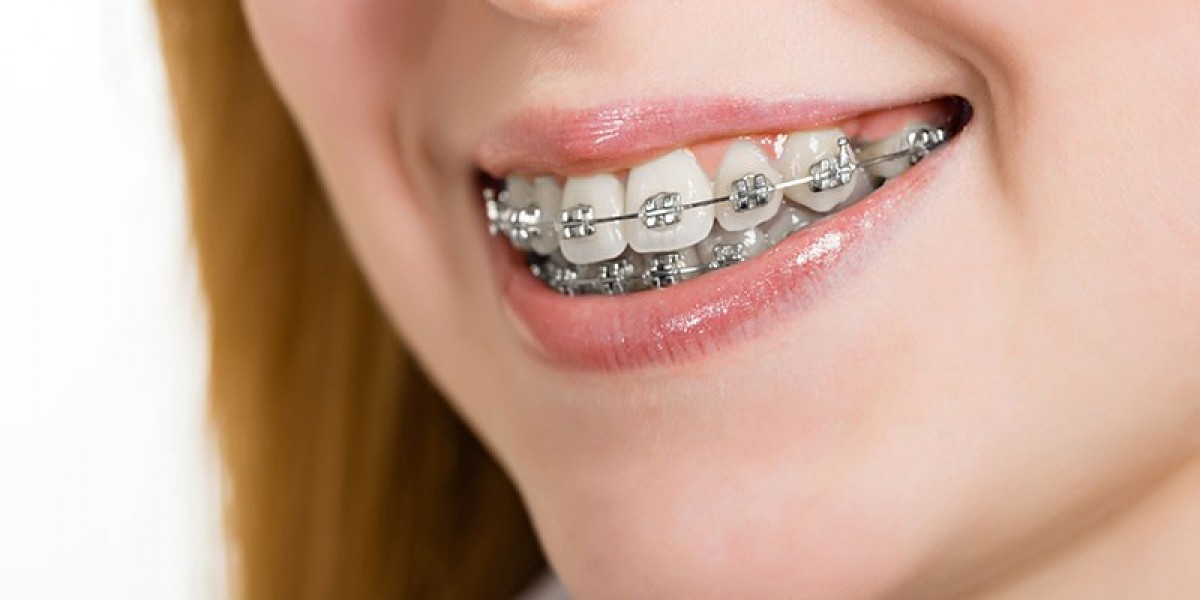

After completing orthodontic treatment, wearing a dental retainer is essential to maintain teeth alignment. Many patients in Dubai find the transition to retainers challenging, but with proper guidance, adapting can be smooth and comfortable. Dental retainers in Dubai help prevent teeth from shifting back to their original positions, and learning how to wear and care for them correctly ensures both effectiveness and comfort.
Understanding Your Retainer:
Familiarizing yourself with the type of retainer you have is the first step in adjusting comfortably:
Hawley retainers: Removable retainers made of acrylic and metal wires, adjustable for minor teeth movement
Essix retainers: Clear, plastic trays that fit snugly over teeth for discreet stabilization
Fixed retainers: Wires bonded behind teeth for continuous support without removal
Knowing the design and function helps patients understand pressure points, proper usage, and how to manage initial discomfort.
Initial Adjustment Period:
When first wearing a retainer, mild discomfort or pressure is normal:
Teeth may feel tight as they settle into their new positions
Slight soreness in gums or surrounding soft tissues is common
Minor speech changes, including a temporary lisp, may occur
Most of these issues subside within a few days to a week, and following orthodontist instructions ensures a smooth adjustment.
Tips for Comfort While Wearing a Retainer:
Making small changes to your routine can enhance comfort:
Wear the retainer consistently as advised to prevent additional pressure from inconsistent use
Use orthodontic wax on areas causing irritation or rubbing
Take short breaks if discomfort becomes significant, then resume wearing the retainer
Practice speaking aloud to adapt to speech changes
Implementing these tips helps patients wear retainers comfortably while maintaining alignment.
Proper Cleaning and Maintenance:
Hygiene plays a crucial role in comfort and oral health:
Brush removable retainers daily with a soft toothbrush and lukewarm water or mild soap
Avoid toothpaste on plastic retainers, which can cause scratches and rough surfaces
Soak retainers occasionally in a retainer cleaning solution for deep cleaning
Keep fixed retainers clean with careful brushing and flossing techniques
A clean retainer reduces irritation, bad breath, and the risk of infection while promoting comfort.
Wearing Schedule Guidelines:
Following the correct wearing schedule reduces discomfort and ensures effectiveness:
Full-time wear: Typically 20–22 hours per day for the first few months after braces removal
Nighttime wear: Gradually transition to wearing retainers only at night after initial stabilization
Long-term maintenance: Some patients may need to wear retainers a few nights per week indefinitely
Adhering to these schedules allows the mouth to adapt naturally without unnecessary strain.
Managing Common Issues:
Even with proper guidance, patients may face challenges:
Loose or ill-fitting retainers: May require adjustment by an orthodontist
Pain or soreness: Usually temporary; can be alleviated with orthodontic wax or short breaks
Speech difficulties: Practice speaking and reading aloud to adjust quickly
Loss or damage: Keep a protective case to prevent accidental loss or breakage
Addressing these issues early ensures comfort and prevents disruption of teeth stabilization.
Retainer-Friendly Lifestyle Habits:
Small lifestyle adjustments improve comfort and prolong retainer life:
Remove retainers during meals and chewing to prevent damage
Always store retainers in a protective case when not in use
Avoid exposing plastic retainers to heat sources, which can warp them
Maintain a consistent routine to ensure retainers are worn as prescribed
These habits minimize irritation, maintain hygiene, and protect the retainer’s functionality.
Professional Check-Ups:
Regular visits to your orthodontist are vital for comfort and effectiveness:
Dentists can adjust loose or tight retainers to relieve pressure
Fixed retainers can be inspected for plaque buildup and potential irritation
Retainers can be replaced if damaged, worn, or uncomfortable
Professional guidance ensures the retainer continues to fit properly and prevent teeth shifting
Routine check-ups prevent long-term discomfort and protect your smile.
Retainers and Oral Health Benefits:
Comfortable retainer use contributes to overall oral health:
Prevents teeth from shifting, preserving alignment achieved through braces or Invisalign
Supports bite function, reducing the risk of uneven wear
Maintains the results of cosmetic treatments such as veneers or whitening
Promotes healthy gums by keeping teeth stable and evenly spaced
Regular, comfortable use enhances both aesthetic and functional dental outcomes.
Final Thoughts:
Adjusting to dental retainers in Dubai may take a few days, but following proper guidelines ensures a smooth transition. Consistent wear, correct cleaning, professional check-ups, and small lifestyle adjustments all contribute to comfort while maintaining teeth alignment. By understanding the type of retainer, following wearing schedules, and addressing minor issues promptly, patients can enjoy a healthy, straight, and confident smile long after orthodontic treatment. Proper adjustment to retainers safeguards your smile and promotes lasting oral health.