
Dubai’s architectural landscape is a dynamic canvas, where tradition and innovation coexist harmoniously. The city’s skyline, punctuated by ultramodern towers and luxurious residential developments, is often seen as a representation of cutting-edge engineering and futuristic design. Yet, amid this modernity, there is a growing appreciation for elements that reflect cultural heritage. One such element is the Mashrabiya, a traditional latticework screen that has historically defined Middle Eastern architecture. In contemporary Dubai, these decorative yet functional features are no longer confined to wood; they have evolved into sophisticated Steel Mashrabiya systems that bridge the past with the present.
Mashrabiya, traditionally crafted from intricately carved wood, served multiple purposes in historic Arabian homes. These screens allowed privacy for women, moderated sunlight, facilitated natural ventilation, and added ornamental charm to buildings. However, wooden Mashrabiya panels had limitations in terms of durability, maintenance, and adaptability to modern architectural forms. Today, architects and designers in Dubai have turned to steel as a versatile material, combining longevity, precision, and aesthetic flexibility. The use of Steel Mashrabiya allows for intricate patterns while offering resilience against Dubai’s harsh climate, including high humidity, intense heat, and occasional sandstorms, making it ideal for both interior and exterior applications.
Modern Architectural Applications
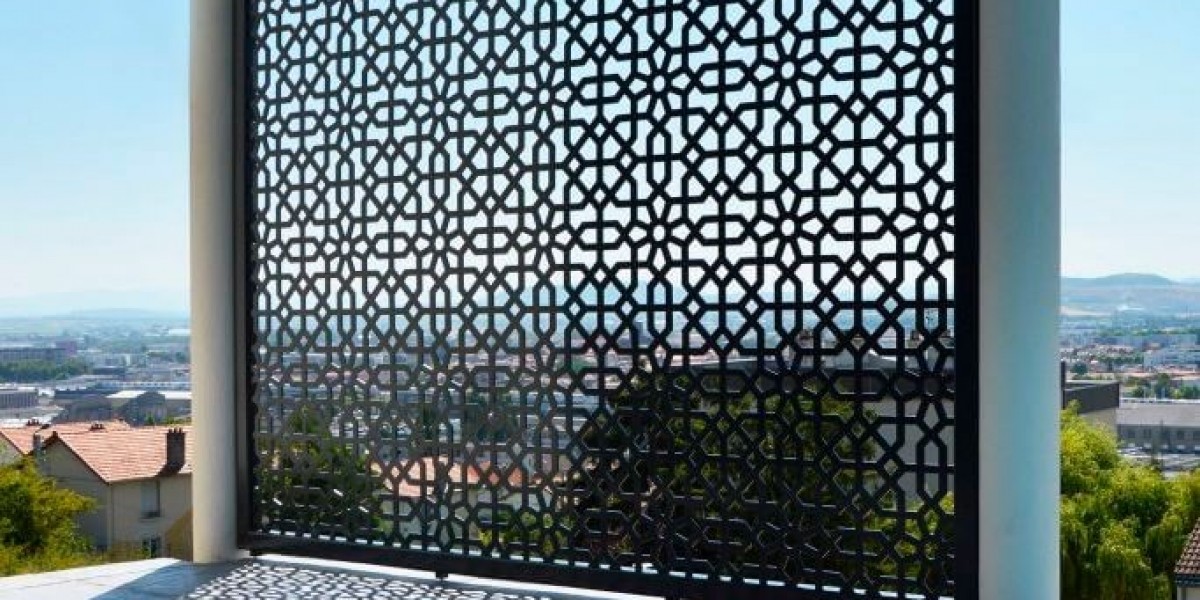
In residential architecture, Steel Mashrabiya is increasingly integrated into villas, high-end apartments, and terraces. Designers utilize these panels to create private outdoor spaces while maintaining visual openness and airflow. Balconies adorned with intricately patterned steel screens enhance a building’s façade, creating a dynamic interplay of shadows and light throughout the day. Interior designers also incorporate these screens as partition walls, decorative panels, or ceiling installations, achieving a fusion of privacy, elegance, and cultural resonance.
Commercial architecture in Dubai has equally embraced Steel Mashrabiya. Hotels, luxury retail spaces, office buildings, and cultural institutions employ these elements to create signature aesthetics. Beyond their decorative appeal, metal screens contribute to functional design goals such as controlling natural lighting, reducing glare, and improving thermal comfort. For instance, in high-end hotels, mashrabiya panels can subtly divide spaces between lounges and dining areas, offering privacy without fully obstructing views. Similarly, in corporate offices, these installations can soften open-plan layouts while introducing a touch of traditional artistry.
Design and Aesthetic Benefits
One of the primary appeals of Steel Mashrabiya lies in its ability to combine privacy with aesthetic excellence. Unlike conventional screens, steel allows for precision cutting and customization, enabling patterns that range from traditional geometric motifs to contemporary abstract designs. This versatility ensures that every project has a unique identity, reflecting both the architect’s vision and the client’s preferences. Moreover, the reflective quality of polished or brushed steel can add depth to interiors, enhancing the perception of space in corridors, lobbies, and atriums.
These panels also play an integral role in shaping a building’s façade. By strategically positioning the screens, designers can create rhythm and texture that enhances the overall architectural composition. The interplay of light and shadow through intricate latticework introduces visual dynamism, which evolves throughout the day. In addition, steel allows for large-scale panels that maintain structural integrity without the need for excessive supporting frames, enabling bold architectural statements that remain practical and durable.
Sustainability and Functional Advantages
Beyond aesthetic benefits, Steel Mashrabiya contributes to energy efficiency and sustainability. The panels act as shading devices, reducing solar heat gain in residential and commercial spaces, which in turn lowers energy consumption for cooling systems. Perforated designs facilitate natural ventilation, allowing airflow while blocking direct sunlight, which enhances indoor comfort without mechanical intervention. In hot climates like Dubai’s, these functions not only improve thermal performance but also contribute to long-term energy savings and eco-friendly building strategies.
The durability of steel is another significant advantage. Unlike wood, steel is impervious to termite damage, warping, or decay, and it maintains its appearance with minimal maintenance over decades. Anti-corrosive treatments and powder coatings further enhance resistance to environmental factors, ensuring that both indoor and outdoor installations remain visually and structurally sound. The combination of sustainability, energy efficiency, and resilience makes Steel Mashrabiya a practical choice for modern construction, aligning with Dubai’s ambitious goals for sustainable urban development.
Beyond Steel’s Expertise in Design and Fabrication
Companies like Beyond Steel have become leaders in providing customized Steel Mashrabiya solutions for Dubai’s architectural projects. By combining advanced fabrication technologies such as CNC laser cutting with skilled craftsmanship, Beyond Steel creates panels that meet exacting specifications in both design and structural performance. Each project undergoes meticulous planning, from digital design models to final installation, ensuring precision and alignment with the overall architectural vision.
Beyond Steel also emphasizes collaboration with architects and interior designers to create bespoke patterns and finishes. Options include brushed, polished, or matte steel surfaces, as well as integration with complementary materials like glass, wood, or bronze. This approach ensures that every mashrabiya panel is not only a structural or decorative element but also a cohesive component of the building’s design narrative. By providing end-to-end solutions, Beyond Steel streamlines project execution, ensuring timely delivery without compromising craftsmanship or quality.
Cultural Significance and Contemporary Relevance
Integrating Steel Mashrabiya into modern projects is more than an aesthetic choice—it is a cultural statement. These panels serve as tangible links between Dubai’s architectural heritage and its contemporary urban identity. They allow designers to honor traditional craftsmanship while leveraging modern technologies and materials, creating spaces that resonate with both residents and visitors. This blending of old and new strengthens Dubai’s reputation as a city that values innovation without losing sight of its cultural roots.
Steel Mashrabiya also fosters public engagement with heritage-inspired design. In cultural institutions, museums, and public spaces, these panels not only enhance visual appeal but also educate audiences about historical architectural techniques. By incorporating modern adaptations of traditional elements, architects can create environments that feel familiar yet forward-looking, reflecting Dubai’s unique position as a hub of global design and local identity.
Future Trends and Innovations
As Dubai continues to push architectural boundaries, the use of Steel Mashrabiya is expected to expand in both scale and application. Advanced fabrication methods allow for increasingly complex patterns and larger installations, including façade wraps for skyscrapers or interactive installations in public plazas. Digital design tools and 3D visualization enable precise experimentation with patterns, lighting effects, and spatial arrangements, giving architects unprecedented creative freedom.
Additionally, the integration of smart building technologies with Mashrabiya panels is an emerging trend. For example, dynamic screens that adjust opacity or positioning can respond to sunlight and temperature, combining traditional design principles with modern automation. Such innovations position Steel Mashrabiya not only as a decorative or functional element but as a key component of responsive, sustainable, and intelligent architecture.
Conclusion
Steel Mashrabiya exemplifies how heritage can harmoniously coexist with modern architecture. In Dubai, these panels serve as both functional and artistic elements, enhancing privacy, energy efficiency, and aesthetic appeal. By leveraging the durability, flexibility, and precision of steel, architects and designers can transform traditional latticework into contemporary masterpieces that complement the city’s futuristic skyline.
Through companies like Beyond Steel, Dubai’s architectural projects can integrate cultural identity without compromising on performance or modernity. Every panel contributes to a broader narrative—where history, innovation, and design converge. As Dubai continues to evolve, Steel Mashrabiya remains a testament to the city’s ability to honor its past while shaping a visually striking, sustainable, and culturally meaningful urban future.