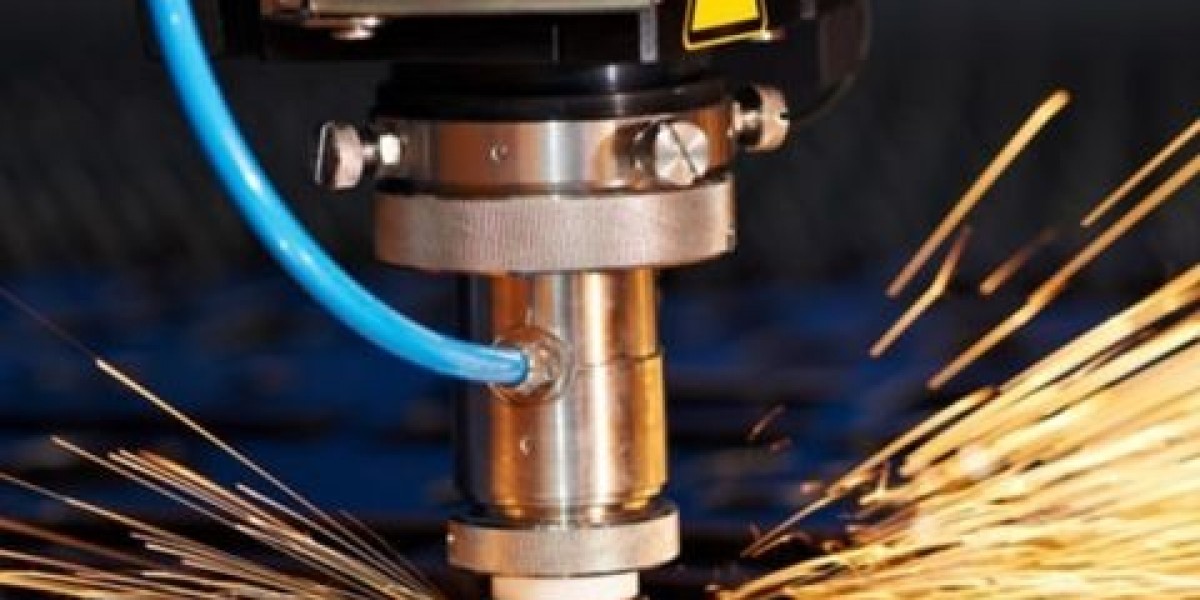

Unlike traditional welding techniques, laser welding stainless does not rely on filler materials or extensive mechanical contact. Instead, it utilizes a highly concentrated laser beam that melts the metal at the joint. The result is a strong, precise bond that requires minimal post-processing. This process reduces material distortion and heat input, making it suitable for delicate and complex structures where precision is critical.
The Role of Laser Welding Stainless Steel in Modern Industry
Stainless steel’s versatility and durability make it a preferred material across many sectors. From medical implants to food processing equipment, it offers both hygienic and mechanical benefits. However, the challenge lies in welding stainless without compromising its corrosion resistance or mechanical integrity. This is where laser welding stainless becomes essential.
The process offers the ability to create joints that maintain the steel’s original properties. Whether working with thin sheets or thick plates, laser welding ensures accuracy at a microscopic level. Manufacturers have turned to this technique for fabricating kitchen equipment, structural components, and even fine jewelry, where aesthetic appeal and precision are equally important.
In the automotive industry, stainless steel components such as exhaust systems and structural reinforcements are frequently welded using laser systems. These applications demand not only strength but also precision, as even minor deviations can affect performance. The ability of laser welding stainless to produce repeatable, high-quality results has positioned it as the technology of choice for such demanding tasks.
How the Process Works
Laser welding stainless begins with directing a focused laser beam to the targeted area. The energy from the beam melts the metal locally, forming a molten pool that solidifies into a clean joint once cooled. The process can be performed in either conduction mode or keyhole mode, depending on the desired depth and thickness of the material.
In conduction mode, the laser energy is absorbed at the surface and spreads through conduction, ideal for thin sheets of stainless steel. In keyhole mode, the beam penetrates deeper into the metal, forming a vapor cavity that allows for full-penetration welding on thicker sections. Both methods deliver high precision, but the selection depends on the material thickness, type of stainless steel, and the specific application.
The welding parameters, such as power density, beam diameter, travel speed, and shielding gas, are carefully controlled to ensure consistent results. Shielding gases like argon or helium are often used to protect the weld pool from oxidation, maintaining the cleanliness and corrosion resistance of the stainless steel surface.
Applications of Laser Welding Stainless
Laser welding stainless has become indispensable across a wide range of industries:
Medical Devices: Stainless steel surgical tools, implants, and instruments require ultra-clean welds and exact dimensions. Laser welding ensures biocompatibility and precision without introducing contaminants.
Automotive Manufacturing: From exhaust components to structural assemblies, laser welding is used to achieve reliable joints that can withstand vibration, temperature, and stress.
Aerospace and Defense: High-strength joints on critical components are essential for safety and performance. Laser welding provides the accuracy and consistency these sectors demand.
Food and Beverage Equipment: Stainless steel tanks, mixers, and piping systems benefit from smooth, contamination-free welds created by laser technology.
Electronics: The process is used to weld tiny metal parts in sensors, connectors, and battery components, ensuring stable electrical connections.
Each application benefits from the precision and cleanliness of laser welding stainless, allowing manufacturers to meet strict quality and hygiene standards while maintaining production efficiency.
Process Optimization for Stainless Steel
To achieve reliable outcomes when laser welding stainless steel, several factors must be optimized. The surface must be properly cleaned to remove oil, oxide layers, or contaminants that could interfere with beam absorption. Laser parameters must be matched to the grade of stainless steel—such as austenitic, ferritic, or duplex types—to maintain the integrity of the material.
Cooling control also plays a crucial role. Rapid cooling may cause thermal stresses or micro-cracks, while slower cooling ensures better grain structure and reduced distortion. In automated setups, real-time monitoring systems are often used to control the energy input and ensure uniform penetration throughout the weld.
Moreover, when joining dissimilar metals—such as stainless steel to aluminum or titanium—special care must be taken to manage differences in melting points and thermal expansion. Advanced laser control systems and hybrid methods make such combinations possible with minimal defects.
Why Industries Choose Laser Welding for Stainless
Manufacturers choose laser welding stainless because of its repeatability, precision, and ability to handle complex geometries. The process supports automation, which allows for mass production without compromising quality. Robots integrated with fiber laser systems can execute thousands of welds with micron-level accuracy.
In addition, laser welding eliminates the need for filler materials in many cases, simplifying the process and reducing production time. Its narrow heat-affected zone ensures minimal distortion, which is vital for components that must maintain exact tolerances. As production lines shift toward higher efficiency and lower waste, laser technology fits seamlessly into this goal.
Maintenance and Long-Term Reliability
Laser welding equipment requires consistent maintenance to perform at optimal levels. Optical components, such as lenses and mirrors, must be cleaned regularly to prevent contamination and beam divergence. Proper cooling systems, regular calibration, and the use of high-quality shielding gases also extend the machine’s service life.
When maintained correctly, laser welding systems deliver consistent power output, ensuring that every weld meets quality standards. Regular operator training and adherence to safety protocols further enhance reliability. Over time, the low maintenance requirements and minimal consumables of laser systems reduce overall production costs.
The Future of Laser Welding Stainless
The future of laser welding stainless steel lies in automation, AI-based monitoring, and hybrid welding techniques that combine laser precision with traditional strength. New developments in fiber laser technology are improving beam quality and power efficiency, allowing faster welding speeds and deeper penetration without compromising the weld surface.
As sustainability becomes a top priority, laser welding’s minimal material waste and low energy consumption align perfectly with green manufacturing goals. The ability to produce high-quality, long-lasting joints contributes directly to reduced resource consumption over a product’s lifespan.
Final Thoughts
Laser welding stainless has transformed the way industries join metal components, providing unmatched precision and reliability. Its clean operation, consistency, and adaptability make it a cornerstone of modern fabrication. From intricate electronics to heavy-duty structural applications, this technology continues to redefine manufacturing standards. With ongoing innovations in laser systems and process automation, the use of laser welding stainless will only expand, securing its place as the future of stainless steel joining.